HEMATOLOGY101.Com

* Blood Research, Blood Diseases

* Anemia, Lukemia, Bone Marrow

* Hematology Symptoms, Research

* Hematology News, Info, Resources

Filter= Anemia


  Exact Time


 * Search on anything here:         Like us:      Follow us:   


 * Featured New Sites! =>


* Z101.COM *


* Hematology101 SEARCH *

   *Filter: "Anemia"


Anemia - Symptoms and causes - Mayo Clinic
Anemia is a condition in which the body does not have enough healthy red blood cells or hemoglobin to carry oxygen to the body's tissues. Hemoglobin is a protein found in red cells that carries oxygen from the lungs to all other organs in the body.

Anemia: Symptoms, Causes & Treatment - Cleveland Clinic
Anemia refers to low levels of healthy red blood cells. Symptoms include feeling very tired, weak and short of breath. Treatment depends on the type of anemia.

Understanding Anemia: Types, Symptoms, and Management - WebMD
Understand what causes anemia, how to recognize key symptoms, and common diagnostic approaches. Learn about treatment options for low red blood cell counts.

Top Foods For Anemia (And What to Avoid) - Verywell Health
Learn which iron-rich foods boost hemoglobin and manage anemia, plus what foods to skip for optimal health.

Anemia - Wikipedia
Anemia (also spelt anaemia in British English) is a blood disorder in which the blood has a reduced ability to carry oxygen. This can be due to a lower than normal number of red blood cells, a reduction in the amount of hemoglobin available for oxygen transport, or abnormalities in hemoglobin that impair its function. [3][4]

Anemia: Types, Causes, Symptoms, Treatment - Healthline
Anemia happens when the number of healthy red blood cells in your body is too low. Learn the causes and what symptoms to expect.

Anemia: Symptoms, types, treatment, causes, diet, and more
Anemia can lead to symptoms including fatigue, shortness of breath, and lightheadedness. In this article, we explain the types, symptoms, and causes of anemia, as well as the treatments available.

Anemia - What Is Anemia? | NHLBI, NIH
Anemia is a common condition that occurs when your blood has a lower-than-normal amount of red blood cells or hemoglobin. Anemia can be inherited or acquired. Learn about the causes, symptoms, and treatments for anemia.

Anemia - Diagnosis and treatment - Mayo Clinic
If you get a diagnosis of anemia, you might need more tests to find the cause. Sometimes, it can be necessary to study a sample of bone marrow to diagnose anemia.

Iron deficiency anaemia - NHS
Iron deficiency anaemia is the most common type of anaemia. There are other types of anaemia, like vitamin B12 or folate deficiency anaemia, that the blood test will also check for. If the reason for the anaemia is not clear, the GP may do other tests to find out what might be causing your symptoms.
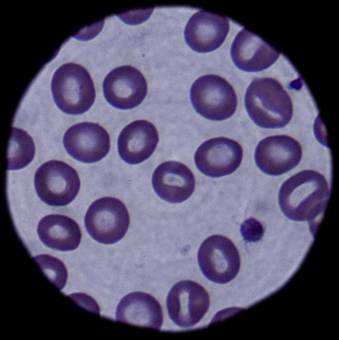


       * Hematology101 LATEST NEWS *

           *Filter: "Anemia"


  •  NEW JOBS
  • Obituaries101
  • FIRE101
  • POLICE101
  • PROTECT101
  • School Directions
  • * POPULAR:  
  • Democrats101
  • Republicans101
  • NewCars101
  • LuxuryCars101
  • CarbonCapture101
  • *Sponsored: *Teleflora Flowers GREAT Deals!


    *Click a bouquet and send it today:


        ~~> 30% Off Discount Page - ALL FLOWERS! <~~


    *More Savings: 
    Get well: 20%    Sympathy & Funeral: 20%


             Birthday: $15    New Baby 15% off    Anniversary 15% off
    Hematology Symptoms
    • Fatigue and Weakness: Persistent lack of energy caused by anemia, where reduced red blood cell levels limit oxygen delivery to body tissues.
    • Unexplained Bruising and Petechiae: Easy bruising or pinpoint red spots on the skin resulting from low platelet counts or impaired blood clotting mechanisms.
    • Frequent or Recurrent Infections: Increased susceptibility to illness due to leukopenia or dysfunctional white blood cells failing to protect against pathogens.
    • Swollen Lymph Nodes: Painless enlargement of lymph glands in the neck, armpits, or groin often associated with hematologic malignancies like lymphoma or leukemia.
    • Unexplained Fever and Night Sweats: Systemic symptoms frequently tied to active hematologic disorders or hypermetabolic states driven by bone marrow dysfunction.
    • Shortness of Breath and Palpitations: Respiratory distress or rapid heart rate during light activity as the cardiovascular system attempts to compensate for severe anemia.
    • Bone or Joint Pain: Deep, aching discomfort caused by the expansion of abnormal blood cells within the bone marrow space.


    * Useful Government Health Sites:                               
    Hematology History
    • 1658: Discovery of Red Blood Cells Jan Swammerdam becomes the first person to observe red blood cells under a microscope in frog blood, followed closely by Antonie van Leeuwenhoek in human blood.
    • 1901: Discovery of ABO Blood Groups Karl Landsteiner identifies the A, B, and O blood groups, laying the scientific foundation for safe blood transfusions and earning the Nobel Prize.
    • 1910: First Description of Sickle Cell Anemia James B. Herrick publishes the first detailed medical account of elongated, sickle-shaped red blood cells in a dental student from Grenada.
    • 1940: Identification of the Rh Factor Karl Landsteiner and Alexander Wiener discover the Rh factor, drastically reducing fatal transfusion reactions and resolving hemolytic disease of the newborn.
    • 1948: First Remission of Childhood Leukemia Sidney Farber demonstrates that aminopterin (a folic acid antagonist) can achieve temporary remissions in acute lymphoblastic leukemia, marking the birth of modern cancer chemotherapy.
    • 1957: First Successful Human Bone Marrow Transplant E. Donnall Thomas performs the first successful intravenous infusion of bone marrow stem cells into leukemia patients treated with radiation therapy.
    • 1960: Discovery of the Philadelphia Chromosome Peter Nowell and David Hungerford identify a specific chromosomal abnormality in chronic myeloid leukemia, establishing the genetic basis of cancer.
    Current Hematology Research
    • Gene Therapy for Sickle Cell Disease: Advances in CRISPR-based gene editing are enabling targeted modifications in patient hematopoietic stem cells to restore healthy hemoglobin production.
    • CAR-T Cell Innovations in Hematologic Malignancies: Next-generation chimeric antigen receptor T-cell therapies are expanding target antigens to overcome resistance mechanisms in relapsed leukemia and lymphoma.
    • Minimal Residual Disease (MRD) Tracking: High-throughput sequencing and digital PCR techniques are improving early detection of residual cancer cells to guide personalized treatment timelines.
    • Bispecific Antibodies in Multiple Myeloma: Dual-targeting immunotherapies are showing high response rates by simultaneously binding to tumor antigens and cytotoxic T cells to induce targeted lysis.
    • Novel Factor VIII Mimetic Agents for Hemophilia: Long-acting subcutaneous non-factor replacement therapies continue to lower bleeding rates and reduce the burden of frequent intravenous infusions.
    • JAK Inhibitors in Myelofibrosis: Targeted kinase inhibition therapies are demonstrating significant efficacy in reducing splenomegaly and improving constitutional symptoms in chronic myeloproliferative neoplasms.
    • Complement System Targeted Therapies in PNH: Next-generation C3 and C5 complement inhibitors offer improved control over extravascular hemolysis in paroxysmal nocturnal hemoglobinuria.

    HEMATOLOGY101.COM --- Hematology Information, News, and Resources, Lots More

    Need to Find information on any subject? ASK THE HEMATOLOGY101 GURU!

     * Contact us:  support@z101.com


    Copyright 2010-2026  HEMATOLOGY101.COM